
Bears Are Feeding Up for Winter: What Frederick County Residents Should Know
Maryland wildlife officials urge residents to secure outdoor food sources and watch for bears crossing roads as fall feeding activity increases.
HERE'S WHAT WE KNOW
Black bears feed heavily in fall to build winter fat reserves. Frederick County is one of Maryland’s primary bear areas. Accessible trash, birdseed and pet food can encourage repeat visits. Residents should give bears space and keep people and pets away.
Frederick County residents have a seasonal reason to check what is sitting outside their homes: black bears are searching for the food that will sustain them through winter.
In a Sept. 28 advisory, the Maryland Department of Natural Resources said bears are increasing their feeding activity ahead of hibernation. Wildlife and Heritage Service Director Karina Stonesifer said their fall intake can exceed 20,000 calories a day.
Frederick is among the four Maryland counties where bears are concentrated, alongside Allegany, Garrett and Washington. DNR also notes that bears travel into other parts of the state.
Much of that search involves natural food. According to DNR’s black bear fact sheet, acorns are the most important natural food for Maryland bears. Their varied diet also includes other nuts, fruit, insects and vegetation. Heavy fall feeding builds the fat reserves they need for winter.
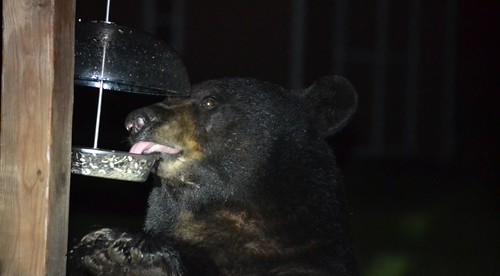
But an accessible garbage can or bird feeder can offer an easier meal—and a reason for a bear to come back.
DNR’s guidance for living with bears identifies trash and bird feeders as the most common attractions around homes. Pet food and residue on outdoor cooking equipment can also draw them in. Once a bear finds food on a property, it is likely to return.
Residents can reduce those opportunities by keeping garbage in a bear-resistant container or an enclosed building until pickup, storing pet food indoors and cleaning grills and picnic tables. Rinsing food containers before disposal and washing trash cans can help reduce odors.
Bird feeders deserve particular attention. DNR recommends waiting until winter to fill songbird feeders. Its BearWise checklist also advises against feeding birds while bears are active nearby and recommends cleaning up spilled seed.
Drivers should watch for bears crossing roads, particularly in October and November. DNR says denning generally begins in mid-November, with most bears remaining inside by mid-December.
If a bear appears in a yard, DNR advises residents to stay calm, avoid approaching or feeding it, and leave it an escape route. Back away slowly and bring people and pets indoors while waiting for it to leave.
Seeing a bear does not automatically mean there is an immediate threat. DNR notes that most bears avoid people and that standing upright can simply help a bear smell its surroundings. Giving the animal space is important.
For bear-related emergencies, DNR lists 410-260-8888. General information about living with bears is available at 410-260-8540 or 301-777-2136.
WHAT IT MEANS
For Frederick County households, removing easy meals is a practical way to reduce encounters. Securing trash, bringing pet food inside and keeping feeders down while bears are active helps prevent animals from associating homes with food.
Original reporting referenced by Everything Frederick:
Maryland Department of Natural Resources — Sept. 28, 2026, black bear activity advisory. Additional guidance: DNR’s Black Bear Fact Sheet, Living with Black Bears, What to Do if You See a Black Bear, and BearWise At-Home Checklist. →Want more Frederick updates like this?
Get local alerts, event reminders, restaurant openings, sports news, giveaways, live show updates, and community stories from Everything Frederick. Want to talk about what’s happening? Join the Frederick Connect community too.